Spotlight on Georgia Hutley: From Law to Finance
Monday September 7th, 2026
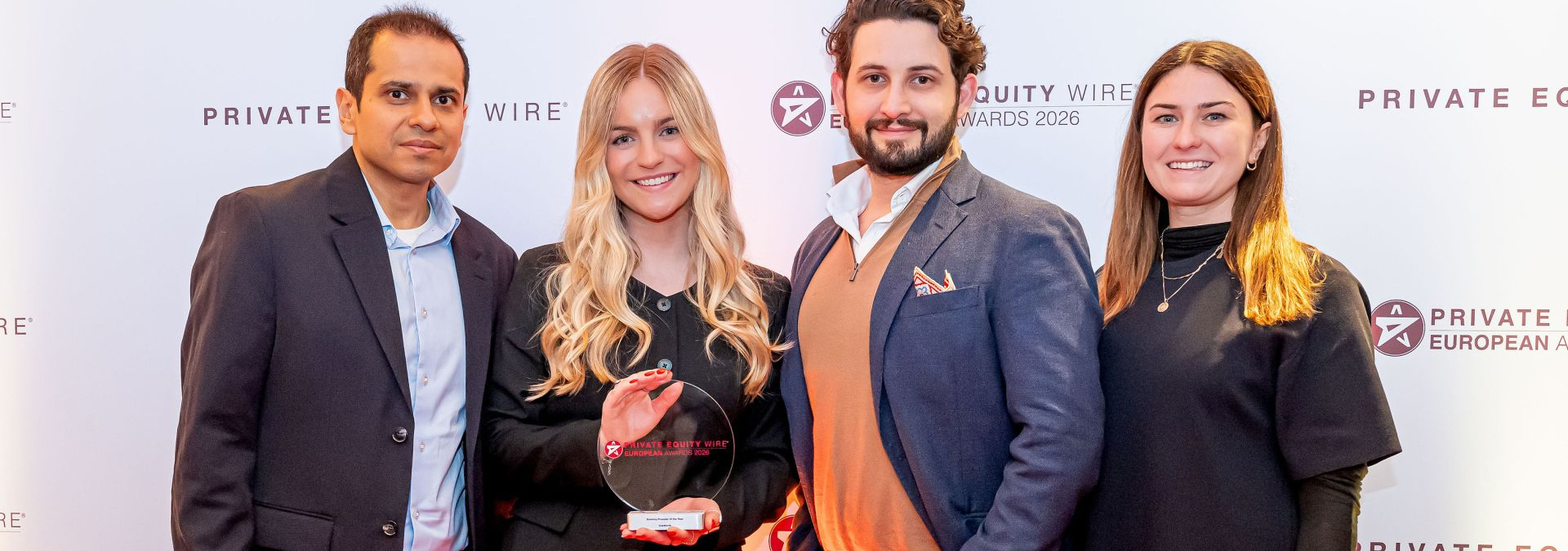
Georgia Hutley joined OakNorth as a Senior Associate in Debt Finance in June 2025, following nearly four years at Santander. A law graduate who found her way into lending, Georgia has built her career around understanding ambitious businesses and how best to finance their growth. We caught up with her about her journey, her role at OakNorth and the importance of building strong relationships in dealmaking.
Q: You studied law at Birmingham and did legal internships early on. What made you pivot into finance and lending?
Georgia: I’ve always been fairly numerical alongside my legal studies. I took Maths and Economics at A-level and have always enjoyed problem-solving and analytical thinking. I also became increasingly interested in the commercial and financial side of businesses and transactions.
Finance felt like a natural way to bring those things together. Lending in particular appealed to me because it combines numbers, analysis and judgement: understanding how a business works, assessing its opportunities and risks, and thinking about how best to structure financing around it.
Q: You spent nearly four years at Santander across several rotations before settling in growth capital and structured finance. What did that breadth of exposure teach you?
Georgia: The graduate scheme at Santander gave me a strong grounding in banking and exposure to different sides of a transaction, from relationship management and credit through to more bespoke financing.
The biggest thing it taught me was that there’s rarely a one-size-fits-all approach to lending. Every business has its own story, strategy and funding requirement. I eventually found my home in growth capital and structured finance, where I really enjoyed working with ambitious businesses and management teams on more complex growth and acquisition financings across a range of sectors.
Q: What made OakNorth the right next move?
Georgia: I was looking for more ownership and responsibility across transactions. OakNorth stood out as a fast-paced, entrepreneurial business that was growing quickly.
The breadth and volume of transactions you get exposure to here, across different sectors, business models and financing situations, creates a great environment to develop. The direct access to key decision-makers was another big draw, alongside working closely with management teams, private equity sponsors and advisers. It felt like the right environment to keep developing while taking on more responsibility.
Q: What does the Senior Associate role actually involve day to day?
Georgia: No two days are quite the same. I work on new lending opportunities from initial assessment through to credit approval and completion. That means understanding a business in detail: analysing financial performance and forecasts, reviewing due diligence, understanding the market and management team, and assessing leverage, structure, covenants and downside scenarios.
A big part of the role is taking a lot of information and working out what really matters from a credit perspective. What do we need to believe? What could go wrong and how might we mitigate those risks? There’s also a significant relationship element throughout, working closely with management teams, sponsors and advisers.
Q: You mentioned judgement and assessing complex information. Does your legal background help with that?
Georgia: It complements the role quite naturally. Law teaches you to absorb a lot of information, identify the key issues and build a clear, evidence-based argument. Combined with a numerical background, I think it gives a helpful balance between financial analysis and the wider commercial, legal and structural considerations of a transaction. It’s particularly useful when thinking about structures, documentation, covenants and lender protections.
Being able to challenge assumptions and communicate complex points clearly also counts for a lot in credit.
Q: Earlier this year you organised and moderated OakNorth’s Women in Dealmaking panel. What prompted you to put that together, and what did you take away from the conversation?
Georgia: I wanted to bring together women from different parts of the dealmaking community in a relaxed setting to share perspectives and build connections beyond individual transactions. Having a strong network is an important part of career progression in this industry, and I wanted to create more opportunities for people to learn from others at different stages of their careers.
For the first event, I brought together perspectives from private equity, debt advisory, law and business leadership. It led to a really open discussion about what drives successful deals and where processes can become challenging. One of my main takeaways was how much trust and communication matter, particularly when it comes to setting realistic timetables and having direct conversations when issues arise.
The response was very positive and I’m keen to keep that momentum going by building a community where people can connect, share experiences and support one another throughout their careers.
Q: What would you say to someone considering a career in lending who doesn’t come from a traditional finance background?
Georgia: I wouldn’t assume you need to have studied finance. Plenty of skills from other academic and professional backgrounds translate really well into lending. For me, law developed my analytical, problem-solving and communication skills, while the technical side of finance can be learned along the way.
Being curious about businesses, willing to ask questions and being able to form and communicate a view, matters just as much as technical knowledge. Lending is also a people business, so being able to work well with clients, advisers and colleagues counts for a lot. A different background can be a real advantage – it gives you another perspective and another way of approaching problems.
View our open roles
If you’re exploring your next move in finance, take a look at our open roles at OakNorth.